Urgent $1.1m shortfall threatens return of US Pavilion sculptures
The American Arts Conservancy must raise $1.1 million to ship Alma Allen's one-ton sculptures from Venice before the Biennale closes on November 22.
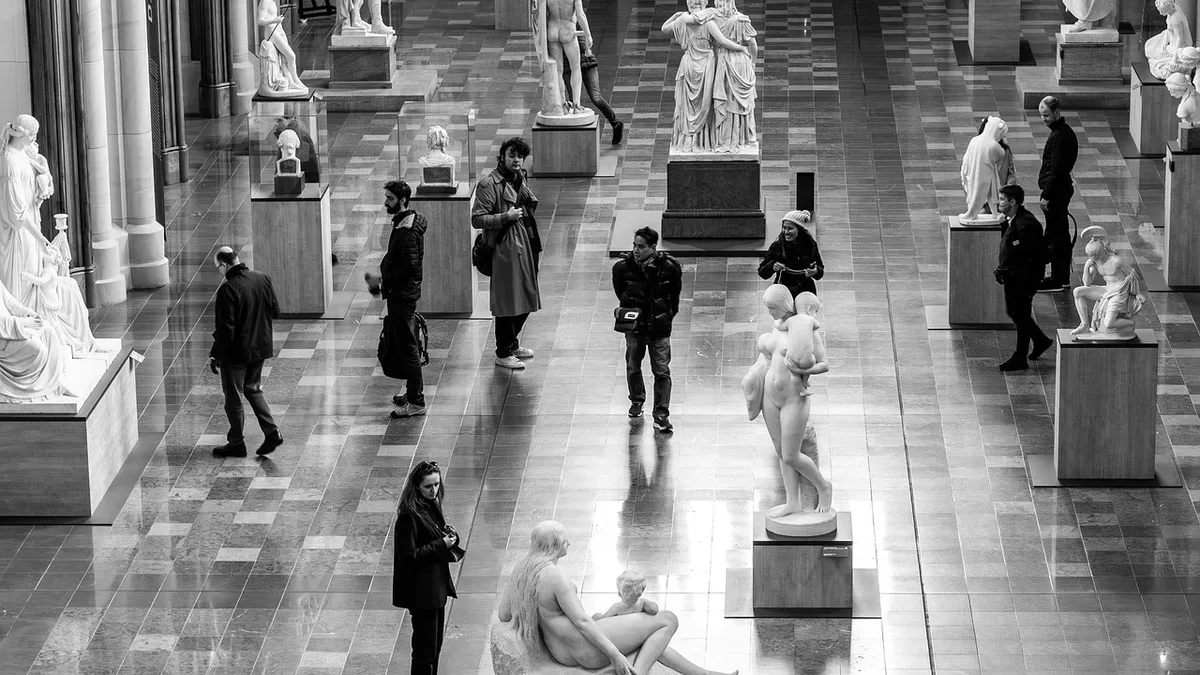
The American Arts Conservancy urgently needs $1.1 million to ship Alma Allen's sculptures from Venice before the Biennale closes on November 22. This funding shortfall threatens the safe return of the high-value artworks to the United States.
Funding progress and shortfall details
The American Arts Conservancy has raised $1.4 million of the $2.5 million required for the pavilion. This leaves a $1.1 million gap that specifically threatens deinstallation and shipping costs. The State Department provided a $375,000 grant for mounting costs but is not responsible for fundraising. The total budget for the 2024 US pavilion was $5 million, a reduction from the $7 million spent in 2022.
| Budget Item | Amount |
|---|---|
| Total Required | $2.5 million |
| Amount Raised | $1.4 million |
| Current Shortfall | $1.1 million |
| State Department Grant | $375,000 |
| 2024 Total Budget | $5 million |
| 2022 Total Budget | $7 million |
Time-sensitive deinstallation challenges
The Venice Biennale closes on November 22, leaving less than a month to resolve the funding crisis. The sculptures in Alma Allen's exhibition "Call Me the Breeze" weigh almost a ton. Finding storage space in Venice after the closure would be difficult, as the US Pavilion has none and the Guggenheim Foundation, which owns the building, is unable to accommodate them. Pavilion Commissioner Jenni Parido sent a letter to donors pleading for urgent funding.
Jenni Parido said: "We are facing an urgent funding need associated with the final deinstallation and safe return of the artworks to the United States."
Private donor support and funding model
The exhibition was facilitated entirely through private citizen support, receiving no corporate or foundation funding. Private donors including fashion designer Tommy Hilfiger and former US Navy secretary John Phelan support the AAC's model. The AAC had an online donations portal to fund the pavilion ahead of the Biennale's opening in May. This Trump administration-aligned arts nonprofit relies on citizen contributions.
The pavilion's rocky road began with the ousting of the originally selected artist and curator. AAC founder and commissioner Jenni Parido, a former pet-store owner with a degree in graphic design, tapped board member Jeffrey Uslip to curate. Uslip approached Alma Allen to produce the exhibition, though neither visited Allen's studio before shipping. By the time the Biennale opened, Allen and Uslip were no longer speaking. Alma Allen is unaware of the AAC's financial woes and received only reimbursement for travel and Airbnb costs. The article closes on the immediate need for $1.1 million to cover deinstallation and shipping costs before the November 22 Biennale closing date.