Pearce+ builds reclaimed wildlife tower
Architecture studio Pearce+ has built a wildlife tower at Honeygar Farm in Somerset, UK. The structure uses almost entirely reclaimed materials sourced from the farm.
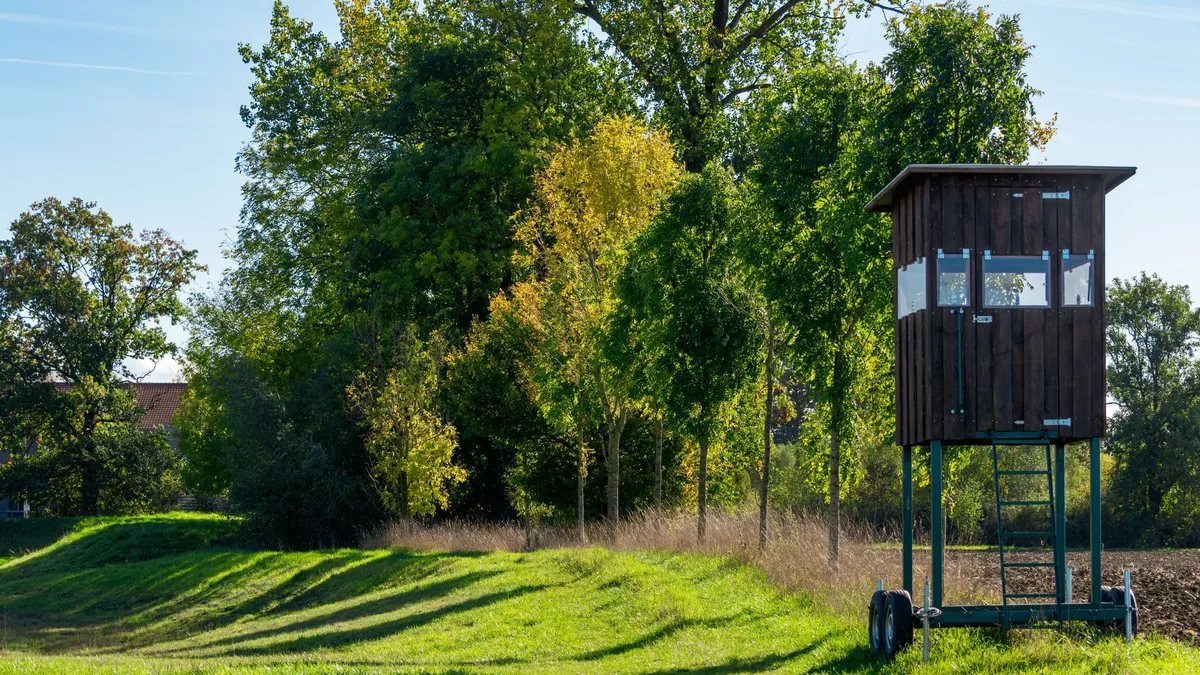
Pearce+ has added a wildlife tower for bats, owls, kestrels, invertebrates and wetland species at Honeygar Farm in Somerset, UK. Built almost entirely from reclaimed materials found on the farm, the tower is part of a wider plan to restore a wetland habitat on the Somerset Levels. For more on the project, see our stats page.
The core idea was to create a long-term piece of wildlife infrastructure that could stand the test of time and provide opportunities for as many different species as possible," said founding director Owen Pearce to Dezeen. "It sits within the wider wetland restoration of Honeygar, where Somerset Wildlife Trust is transforming a former farm into restored wetland habitat alongside a new research and education centre."
Design driven by species needs
The tower was designed to become a home for numerous species of animals, which determined its overall form. Rather than designing a house for one species, we’ve tried to create the conditions for lots of different wildlife to move in," Pearce said. "Different species need to nest or roost at particular heights, so the overall height of the tower is partly dictated by the animals it is designed for. Barn owls, for example, naturally seek elevated, protected nesting places. The size of the upper structure is then determined by the dimensions of the different wildlife boxes housed inside it."
Reclaimed materials and construction challenges
The tower was built on masonry piers made from reclaimed materials as the site regularly floods. Above this, the structure was made from reclaimed timber and corrugated metal. "The idea of the site's restoration informed how we built the tower," said Pearce. "We wanted to use as few new materials as possible, instead reclaiming materials that were already available on the farm and giving them a new purpose as habitat."
According to Pearce, the process of utilising reclaimed materials added a challenge to the construction process. "The biggest challenge is the amount of work and uncertainty involved," he said. "Reuse sounds simple but you have to find the materials, dig them out, move them, clean them, assess them and then work out how they can actually be incorporated into the building. You can design with an idea of what materials are available, but until you start building there is always an element of the unknown."
A habitat for many scales
Along with specific spaces for barn owls, kestrels and bats, Pearce hopes that the structure will also become home to a wider variety of wildlife. "The tower is intended to work at lots of different scales," said Pearce. "Untreated timber can provide habitat for moths, spiders, woodlice and other invertebrates. The reclaimed masonry has cracks, textures and cavities that insects and small animals can inhabit, while openings within the piers could be used by amphibians or small mammals. Rubble and earth around the base creates a hibernaculum, a damp habitat that might suit newts, slow worms and other wetland species."
We’ve provided the infrastructure, but ultimately wildlife will decide how to occupy it. In a way, the exciting part is that the building isn’t finished when we leave - its inhabitants will complete it.
The studio has previously created a temporary sub-zero restaurant in Canada and a woodworking shelter at Westonbirt arboretum in Gloucestershire. The photography is by Samuel Bray.