Schools and libraries remove David Walliams books over misconduct claims
Multiple schools and councils have removed David Walliams' books following sexual misconduct allegations against the author, sparking a debate over access to literature and child safety.

Schools and libraries across the UK are removing David Walliams' books following allegations of sexual misconduct against the author. The moves highlight a difficult tension between maintaining access to popular literature and addressing child safety concerns in the wake of serious accusations.
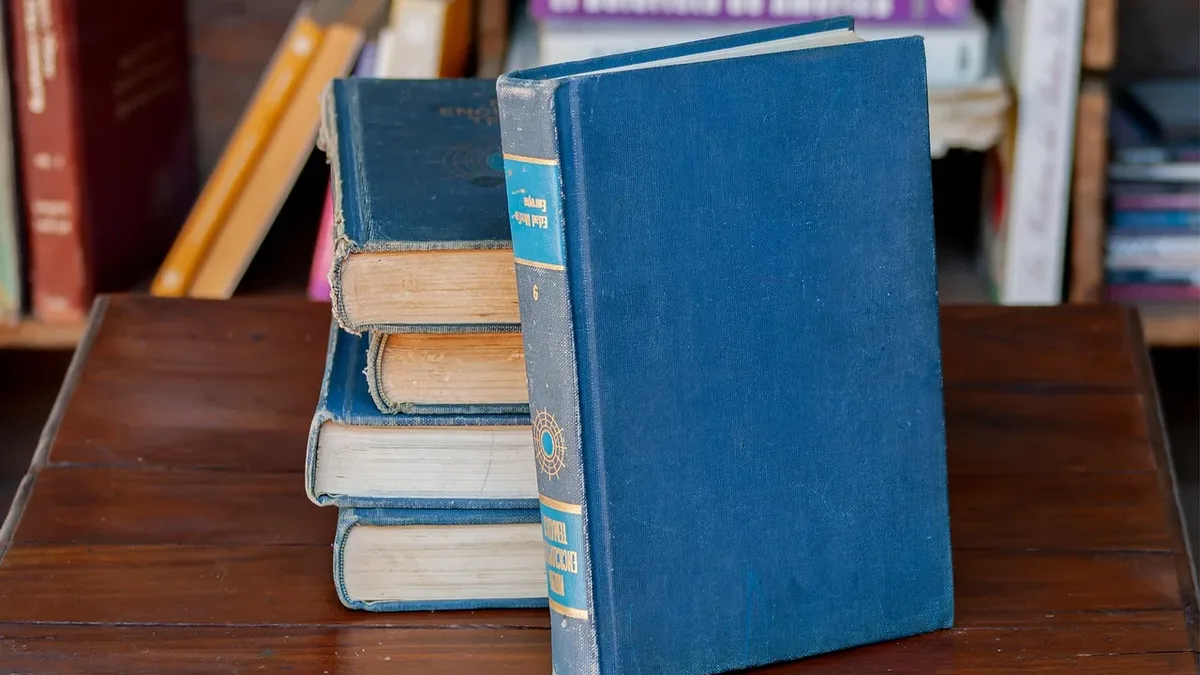
Darren Morgan, head of Kings Road Primary School in Manchester, removed Walliams' publications. Camden Council in north London placed his books in storage and removed them from public library displays. A Telford and Wrekin council spokesperson confirmed the removal of all Walliams' books and audiobooks from library catalogues. The academy trust GLF Schools, which runs 43 schools, has also taken the books off its shelves.
These actions follow investigative reports by ITV News and the Guardian. The reports contained allegations from several women, including accusations that Walliams groomed teenage girls as young as 15 for sex. The author has denied all allegations of sexual misconduct and abuses of power. In a letter, he stated he was 'not a sexual predator' and had not 'broken the law'.
Industry and publisher response
The publishing industry has distanced itself from the author. HarperCollins, his longtime publisher, terminated its relationship with him. The publisher dropped David Walliams in December 2025 following an internal investigation into alleged inappropriate behavior and harassment toward junior female staff. Walliams has stated he was never informed of any allegations or asked to cooperate with that investigation.
Major retailers have followed suit. Waterstones, TG Jones, and The Works have all stated they will no longer sell his books. This represents a significant shift for an author whose works, including Gangsta Granny and Billionaire Boy, have sold over 50 million copies worldwide.
Public and expert reactions
Reactions from authors, educators, and officials are mixed. Some advocate for removal, while others caution against a blanket ban. Author Chloe Combi argued that banning the books is not appropriate and could prevent important conversations. Pepe Di'Iasio, general secretary of the Association of School and College Leaders, highlighted the dilemma facing educators. He said: "Head teachers are already making difficult decisions about whether or not these books should remain on the bookshelves of libraries at the moment."
Steve Chalke, head of Oasis Academies which runs more than 50 schools, advised headteachers to temporarily remove the books from 59 schools. He noted it was impossible to shield children from the current media coverage about the author. The professional body CILIP acknowledged that dealing with challenges to books can be an extremely complex and stressful situation for library staff.
Calls for guidance and varied council stances
There is no unified national approach. The Association of School and College Leaders has called on the Government to issue guidance for headteachers on handling the books. Pepe Di'Iasio has urged the government to give schools national guidance to handle these difficult decisions.
Council responses vary significantly. While Camden, Telford and Wrekin have removed the books, other authorities have chosen to keep them available. Kent County Council said it has no plans to remove the titles. Surrey County Council noted that demand for Walliams' books had fallen significantly in recent years, but stated his titles are not illegal and remain available for borrowers. The Department for Education has been asked for comment on the matter.
The controversy leaves schools, libraries, and parents grappling with a complex ethical and practical decision. The core question remains whether to separate the art from the artist when the allegations involve the safety of the very audience for whom the books were written. The debate continues without a clear resolution.