Pritzker Prize
| Full name | Pritzker Architecture Prize |
|---|---|
| Founded | 1979 |
| Presented by | The Hyatt Foundation |
| Awarded for | Lifetime achievement in architecture |
| Selection process | Jury deliberation and vote |
| Ceremony frequency | Annual |
| Ceremony location | Varies globally |
Overview
The Pritzker Prize is an international award presented annually to honor a living architect for significant achievement. It is considered the profession's highest honor, often described as the Nobel Prize of architecture. The award recognizes architects whose built work demonstrates a combination of talent, vision, and commitment that has produced consistent and significant contributions to humanity and the built environment. The laureate receives a monetary grant, a formal citation certificate, and a bronze medallion. The medallion is based on designs by the architect Louis Sullivan, a key figure in modern American architecture. The award is funded by the Pritzker family through their Hyatt Foundation and is administered independently of their business interests.
History
The Pritzker Prize was established in the United States in the late 1970s. The award was founded by the Pritzker family of Chicago, whose business interests include the global Hyatt hotel chain. The idea for the prize is credited to Jay A. Pritzker and his wife Cindy, who sought to create a meaningful architecture award after noticing that the field lacked a major prize equivalent to those in other creative disciplines. The first prize was awarded in 1979 to the architect Philip Johnson of the United States. The selection process was initially managed by a small panel of experts, including architects, critics, and scholars. Its establishment reflected a growing public interest in architecture during that period and aimed to elevate the public profile of the architectural profession globally.
How it works today
The selection process is overseen by an independent jury, which changes composition over time but typically includes architects, critics, academics, and professionals from related fields. This jury receives nominations from a wide range of sources, including past laureates, academics, and professional associations from around the world. The deliberations and voting of the jury are entirely confidential, and the jury is not required to publicly justify its final choice. The prize ceremony is held annually, but the date and location are not fixed; it rotates to significant architectural sites around the world, often in prestigious museums or historical buildings. The ceremony usually takes place in the first half of the calendar year, frequently in the spring. The laureate is announced several weeks or months prior to the ceremony, which is a formal event attended by the international architectural community.
Why it matters
The prize confers immense prestige, often catapulting the laureate's firm to global prominence and securing major commissions. It serves as a powerful historical marker, creating a canon of influential architects whose work defines architectural discourse for their era. By rotating the ceremony location globally, it intentionally engages with different cultures and architectural contexts, promoting international dialogue. The award has played a significant role in raising public awareness and appreciation of architecture as a vital cultural art form. It provides a substantial, unrestricted monetary grant that can support architectural research or underwrite projects. The jury's selections often highlight specific architectural concerns, such as sustainability or social housing, thereby influencing the direction of the profession.
Common misconceptions
A common misconception is that the prize is awarded for a single building; it is instead given for a lifetime of achievement and a body of built work. Another is that it is a prize for young, emerging architects, when in fact laureates are typically in mid-career or later, having established a substantial portfolio. Some believe the selection is influenced by the Pritzker family's commercial interests, but the jury operates independently and the foundation's governance is structured to prevent this. The prize is sometimes mistakenly thought to favor Western architects exclusively, though the jury has selected laureates from six continents, deliberately broadening its geographic scope over decades. It is also not an award for architectural theory or unbuilt projects; the emphasis remains firmly on constructed work that has been realized. Finally, winning the prize does not signify the end of a career, as many laureates produce some of their most notable work after receiving the award.
Latest Pritzker Prize news
Latest reporting

Corto Condorello 2026 launches with new Pink Condorello audience award
The second Corto Condorello short film festival for under-35 filmmakers runs December 11-13 in Rome, offering MUBI distribution deals and a new...
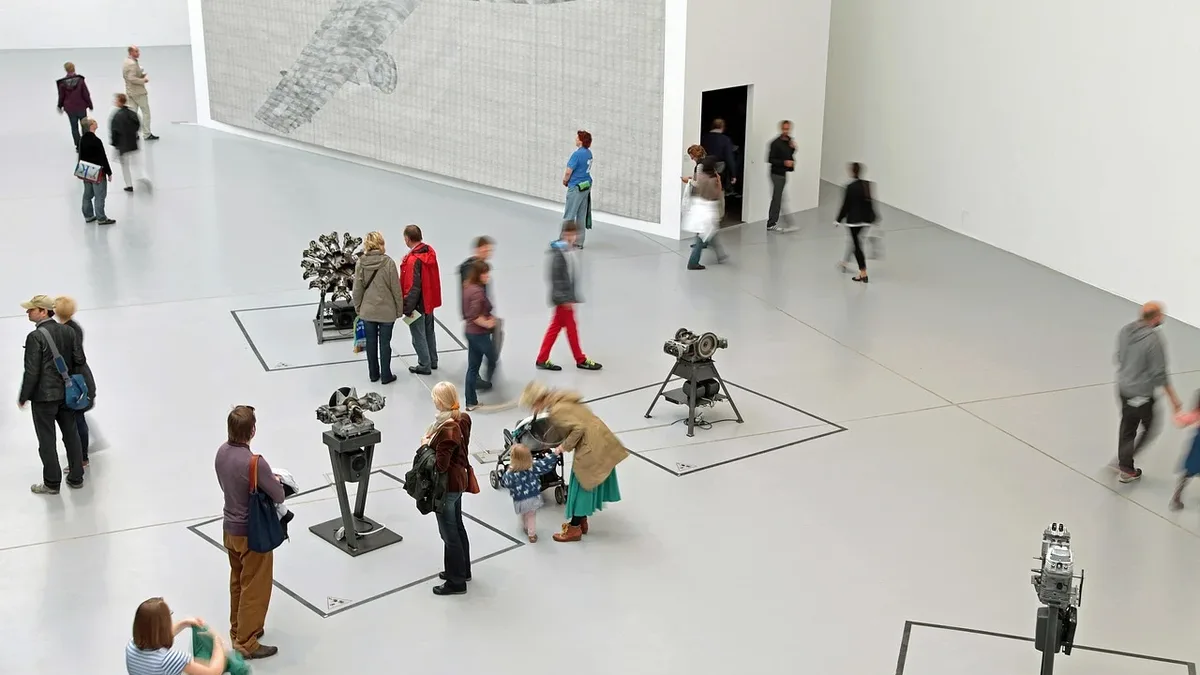
Turner Prize 2026 Exhibition Opens in Middlesbrough
The Turner Prize 2026 exhibition has opened at the Middlesbrough Institute of Modern Art, showcasing four shortlisted artists.

Nagaland's 'Angh' Wins Toronto Platform Prize, Eyes Oscar
Theja Rio's debut feature 'Angh' won the Platform Prize at the Toronto International Film Festival this month.

Steven Shearer wins 2026 Audain Prize for visual arts
Vancouver artist Steven Shearer has been awarded the 2026 Audain Prize, a C$100,000 honour recognizing a career of artistic achievement.

Booker Prize shortlist revealed after judges' 'tussle'
Judges for the Booker Prize have announced a six-novel shortlist, including past winners Marlon James and Douglas Stuart.

La Bola Negra Wins Toronto Film Festival People's Choice
The Spanish film La Bola Negra has won the top audience prize at the 51st Toronto International Film Festival.